


Pet Vaccination Schedule: What Shots Your Dog or Cat Needs
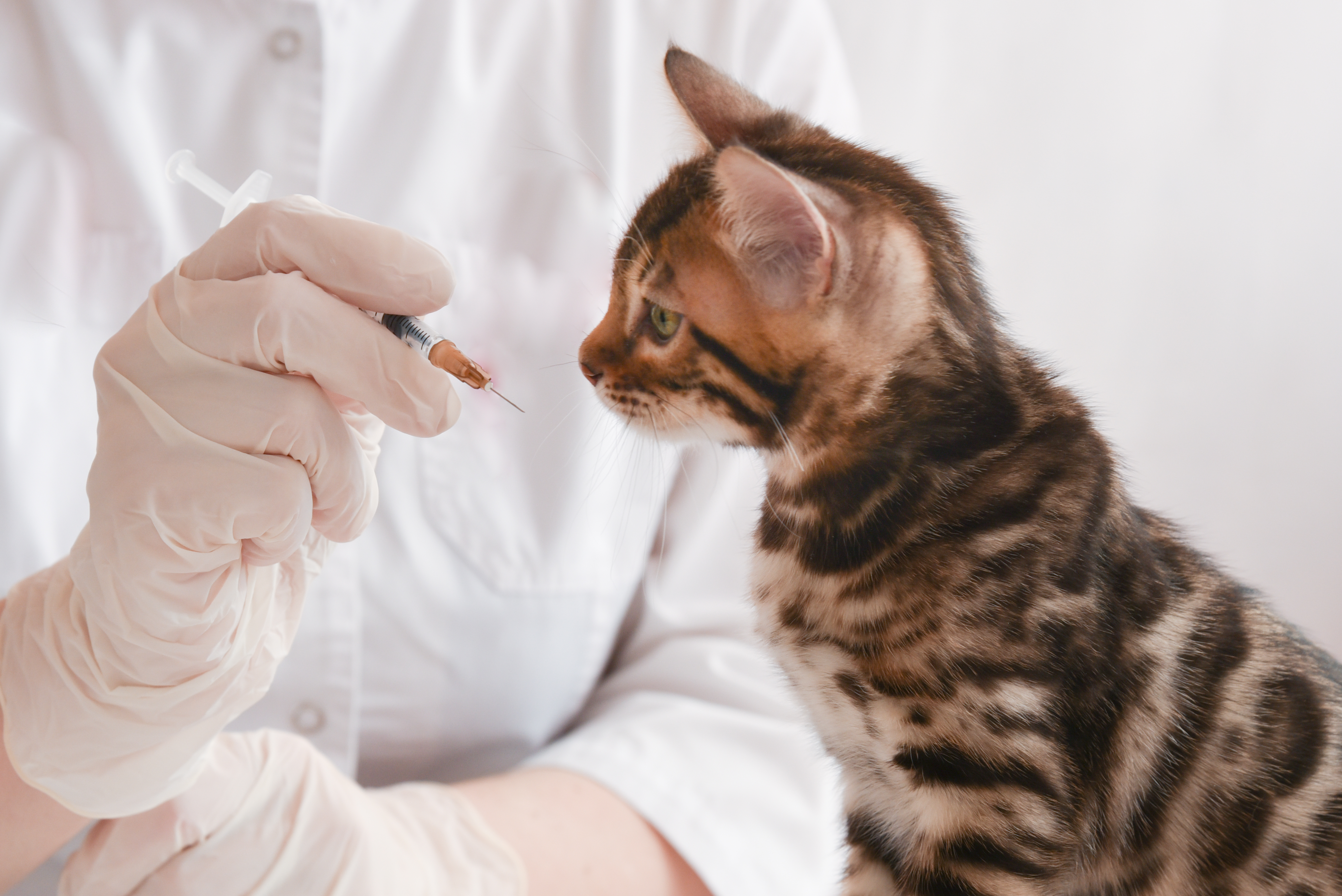
Keeping up with your pet’s vaccination schedule is one of the most important parts of preventive veterinary care. For both dogs and cats, vaccines help protect against serious contagious diseases and support long-term health. At Community Veterinary Medicine, vaccine recommendations are based on your pet’s age, health, and lifestyle, since not every pet needs the exact same plan.
Why Pet Vaccinations Are Essential
Vaccines help your dog or cat build protection against illnesses that can spread through direct contact, shared spaces, wildlife exposure, or even routine outings. Puppies and kittens are especially vulnerable because their immune systems are still developing. Adult pets also need regular boosters to maintain protection over time.
A pet vaccination schedule is not only about compliance - it is about preventing avoidable disease and reducing the risk of serious complications later.
Core Vaccines for Dogs
Core vaccines are the shots most dogs need, regardless of breed or lifestyle. These typically include rabies and the distemper combination vaccine, which protects against several dangerous viruses.
Many dogs also benefit from non-core vaccines depending on their routine, boarding needs, grooming visits, travel, or exposure to other animals. These may include Bordetella, leptospirosis, canine influenza, or Lyme disease. The right schedule depends on how your dog lives day to day.
Core Vaccines for Cats
Cats also need core vaccines, even if they spend most of their time indoors. Rabies and FVRCP are commonly recommended because they help protect against major viral infections that can spread quickly and become severe.
Some cats may also need feline leukemia vaccination, especially if they go outside or live with other cats whose exposure risks are unknown. Indoor cats may still need ongoing preventive care, since risk can change over time.
When Puppies and Kittens Start Vaccines
Young pets usually begin vaccinations at around 6 to 8 weeks of age, followed by a series of booster visits every few weeks until their initial vaccine schedule is complete. This early timing is important because immunity from their mother gradually fades, leaving them more vulnerable to infection.
Staying on schedule matters. Delays can leave gaps in protection during a critical stage of development.
What Your Pet’s Vaccine Plan May Include
Your veterinarian may recommend a schedule based on factors such as:
- Age and overall health
- Indoor or outdoor lifestyle
- Exposure to boarding, daycare, or grooming
- Contact with other animals
- Travel habits and local risk factors
This individualized approach is important because one vaccine program is not right for every pet.
Why Annual Exams Support Vaccine Planning
Vaccines work best when they are part of a broader wellness plan. Regular exams help your veterinarian monitor your pet’s health, review any lifestyle changes, and determine when boosters or additional protection may be appropriate. Preventive visits also make it easier to catch health concerns early.
Schedule a wellness exam at Community Veterinary Medicine to keep your dog or cat current on vaccines and preventive care. Visit our office in New York, NY, or call (646) 912-9513 to book an appointment today.




©2026 Community Veterinary Medicine. All Rights Reserved. Sitemap
Powered by: 