


Why Cats Hide When They Don’t Feel Well
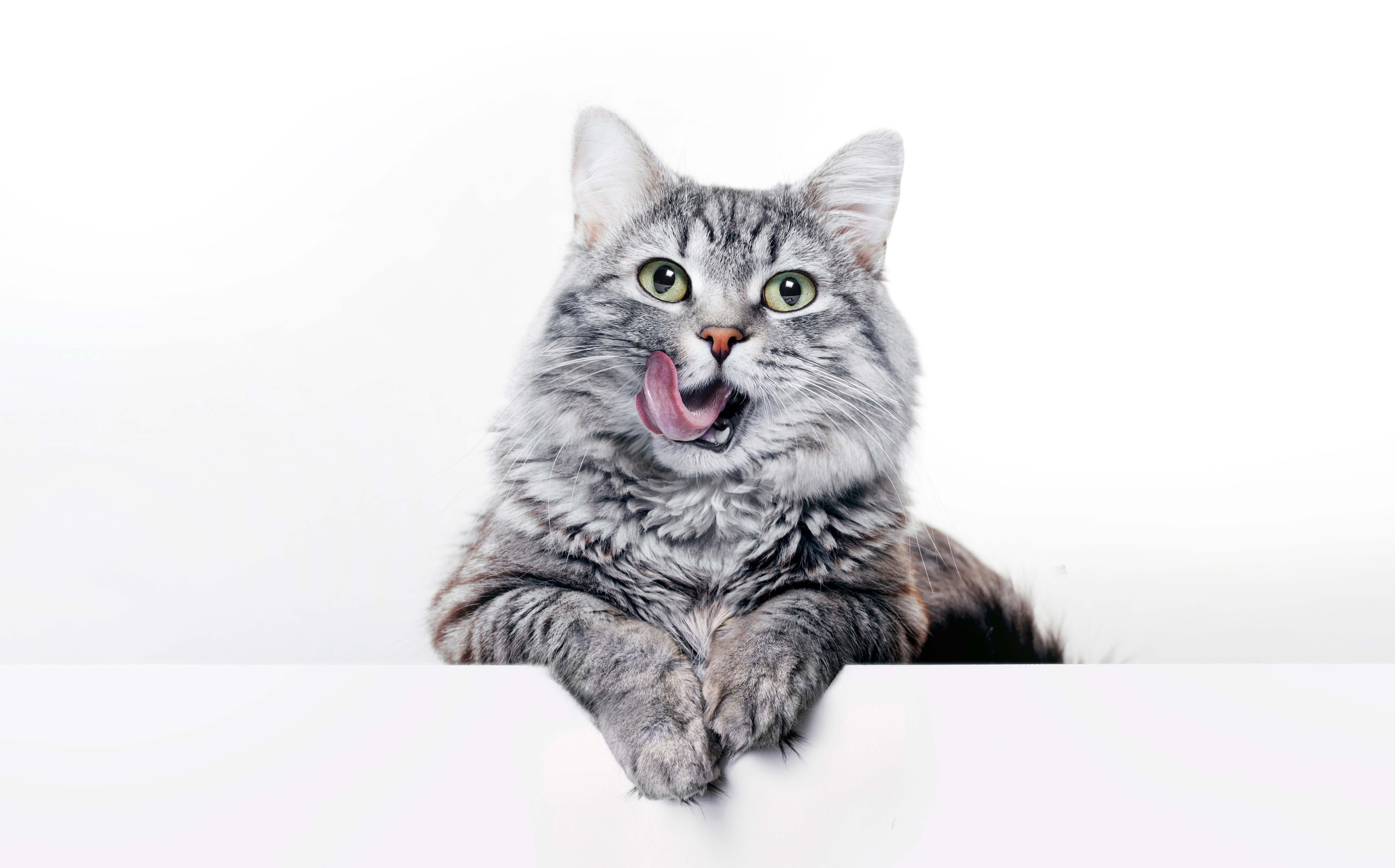
Cats are known for being independent, quiet, and sometimes hard to read. When they do not feel well, many cats choose to hide instead of seeking attention. This behavior comes from instinct. In the wild, showing weakness can make an animal more vulnerable, so cats often try to protect themselves by staying out of sight.
For pet owners, this can make early signs of illness easy to miss. A cat who suddenly spends more time under the bed, in a closet, or away from the family may be trying to tell you something is wrong.
When Hiding Becomes A Concern
Some cats naturally enjoy private spaces, especially in busy homes. However, a change in your cat’s normal behavior should always be taken seriously. If your normally social cat starts hiding, avoids being touched, or seems less interested in meals, it may be a sign of pain, stress, or illness.
Hiding can be linked to many different health concerns, including dental pain, digestive problems, urinary issues, infections, arthritis, or chronic disease. Because cats often mask symptoms, a veterinary exam can help identify what is happening before the problem becomes more advanced.
Other Signs Your Cat May Not Feel Well
Hiding is often just one part of the picture. Paying attention to your cat’s daily habits can help you notice subtle changes sooner.
Common warning signs may include:
- Eating less or refusing food
- Drinking more or less than usual
- Using the litter box more often or avoiding it
- Vomiting or diarrhea
- Weight loss
- Changes in grooming habits
- Limping, stiffness, or trouble jumping
- Increased vocalizing or unusual aggression
If you notice any of these signs along with hiding, it is best to schedule a veterinary visit.
Why Cats Hide Pain So Well
Cats are very good at covering up discomfort. A cat with dental disease may still eat, but chew on one side of the mouth. A cat with arthritis may still move around, but stop jumping onto favorite furniture. A cat with a urinary issue may hide, strain in the litter box, or have accidents outside the box.
These changes may seem small at first, but they can point to a medical issue that needs care. Regular wellness exams, blood work, and preventive care help veterinarians monitor your cat’s health and catch concerns that may not be obvious at home.
What To Do If Your Cat Is Hiding
Start by observing your cat closely. Notice where they are hiding, how long it lasts, whether they are eating and drinking, and if their litter box habits have changed. Avoid forcing your cat out unless there is an urgent concern, as this can increase stress.
Instead, offer a quiet, comfortable space and contact your veterinarian for guidance. If your cat is not eating, seems weak, is breathing differently, is straining to urinate, or appears painful, do not wait. These symptoms can require prompt veterinary attention.
Helping Your Cat Feel Safe During Care
Veterinary visits are important, but many cats become nervous outside their home. Using a comfortable carrier, keeping the carrier out before the visit, and placing familiar bedding inside can help reduce stress. Your veterinary team can also offer recommendations based on your cat’s personality and health needs.
At home, keeping your cat’s routine consistent, offering easy access to food, water, litter boxes, and resting areas, and monitoring behavior can help support their comfort.
Schedule a visit with Community Veterinary Medicine in New York, NY by calling (646) 912-9513 if your cat is hiding more than usual or showing signs they may not feel well.




©2026 Community Veterinary Medicine. All Rights Reserved. Sitemap
Powered by: 